
 Gallina Italy
 Gallina USA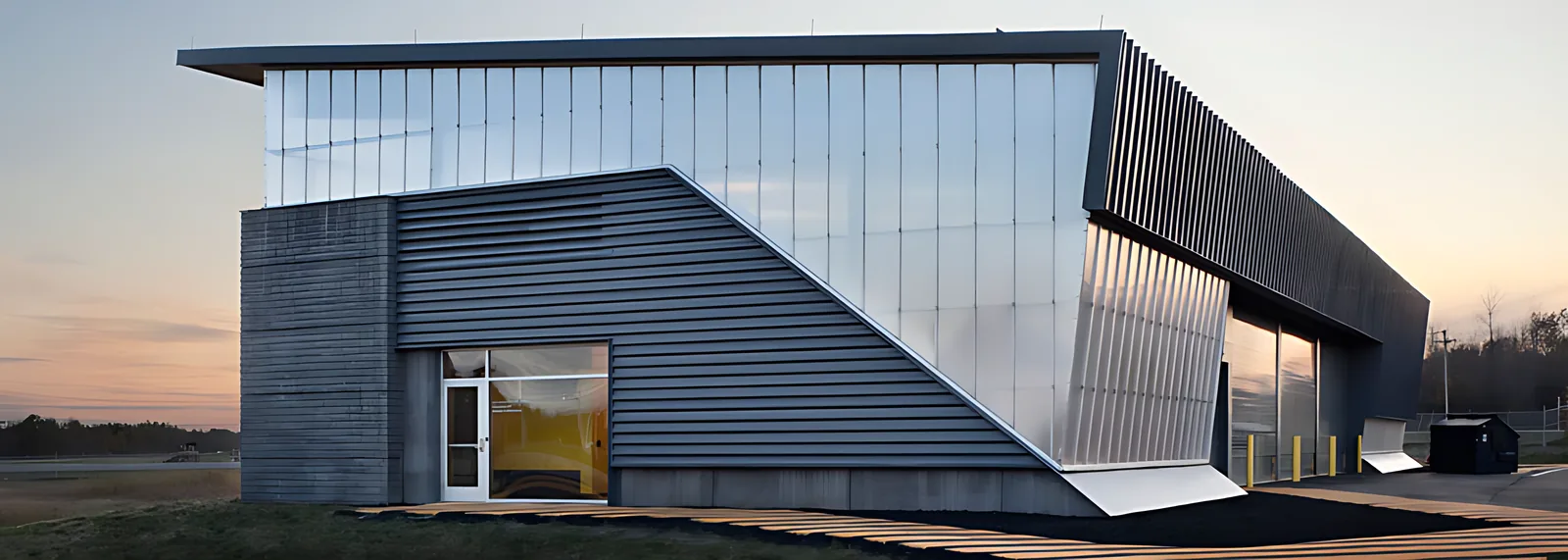
There are many reasons for the renewed interest in daylighting: the high cost of fossil fuels, the finite life of electricity sources and, perhaps most of all, its effect on wellbeing and quality of life.
From offices and schools to factories and hotels, daylighting plays an important role in building design. It supports sustainability, conserves energy and improves productivity. Polycarbonate plays an ever-growing part in bringing daylight into our lives.
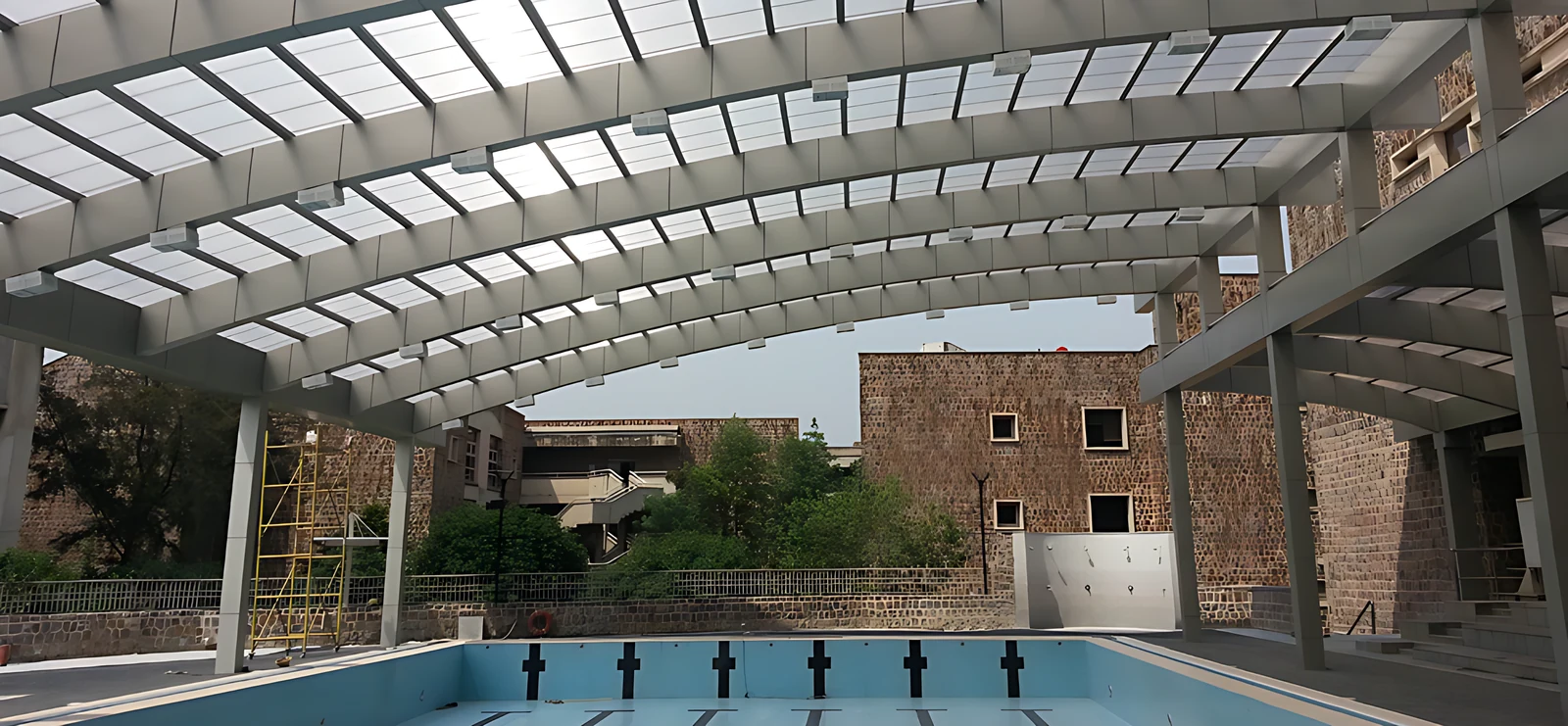
Horizontal daylighting
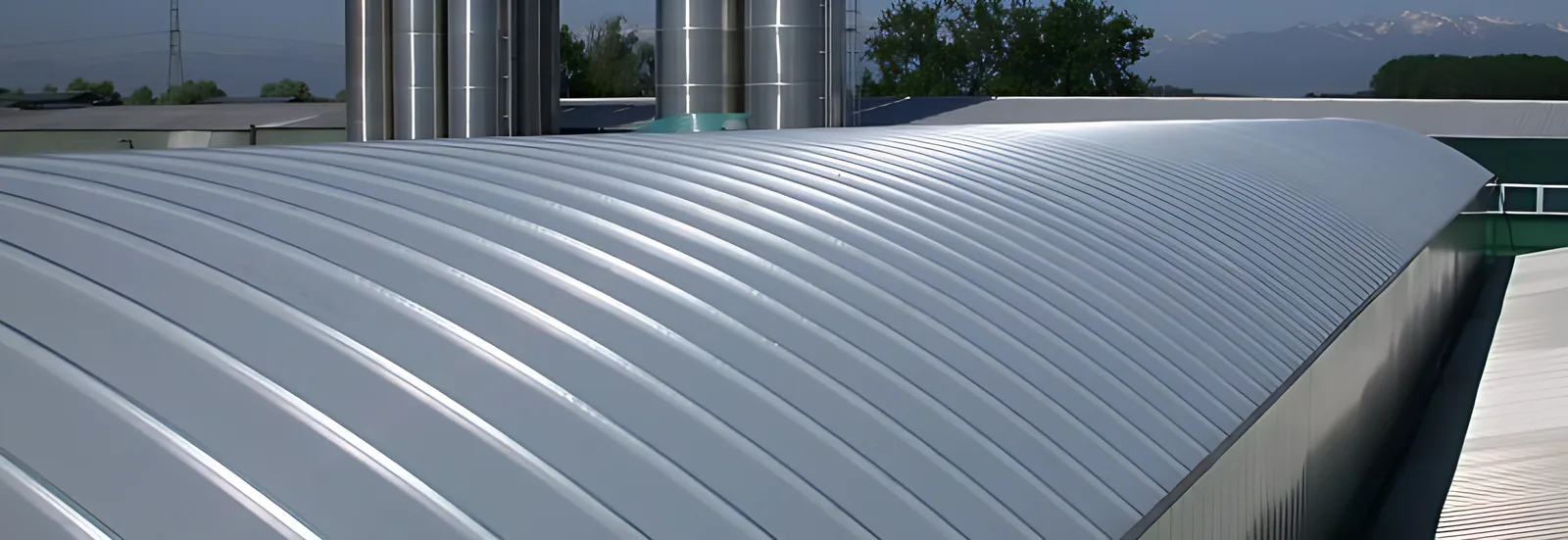
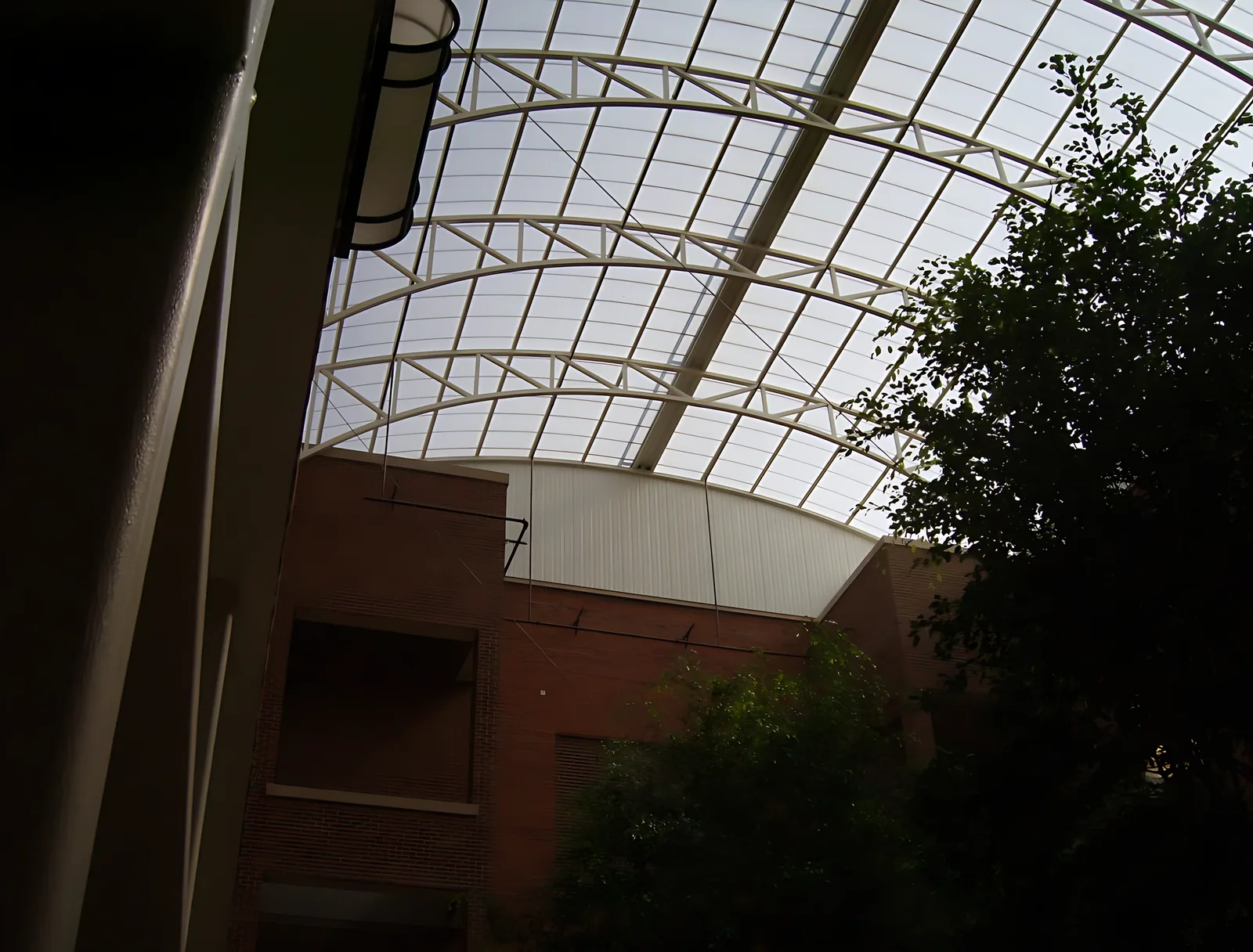
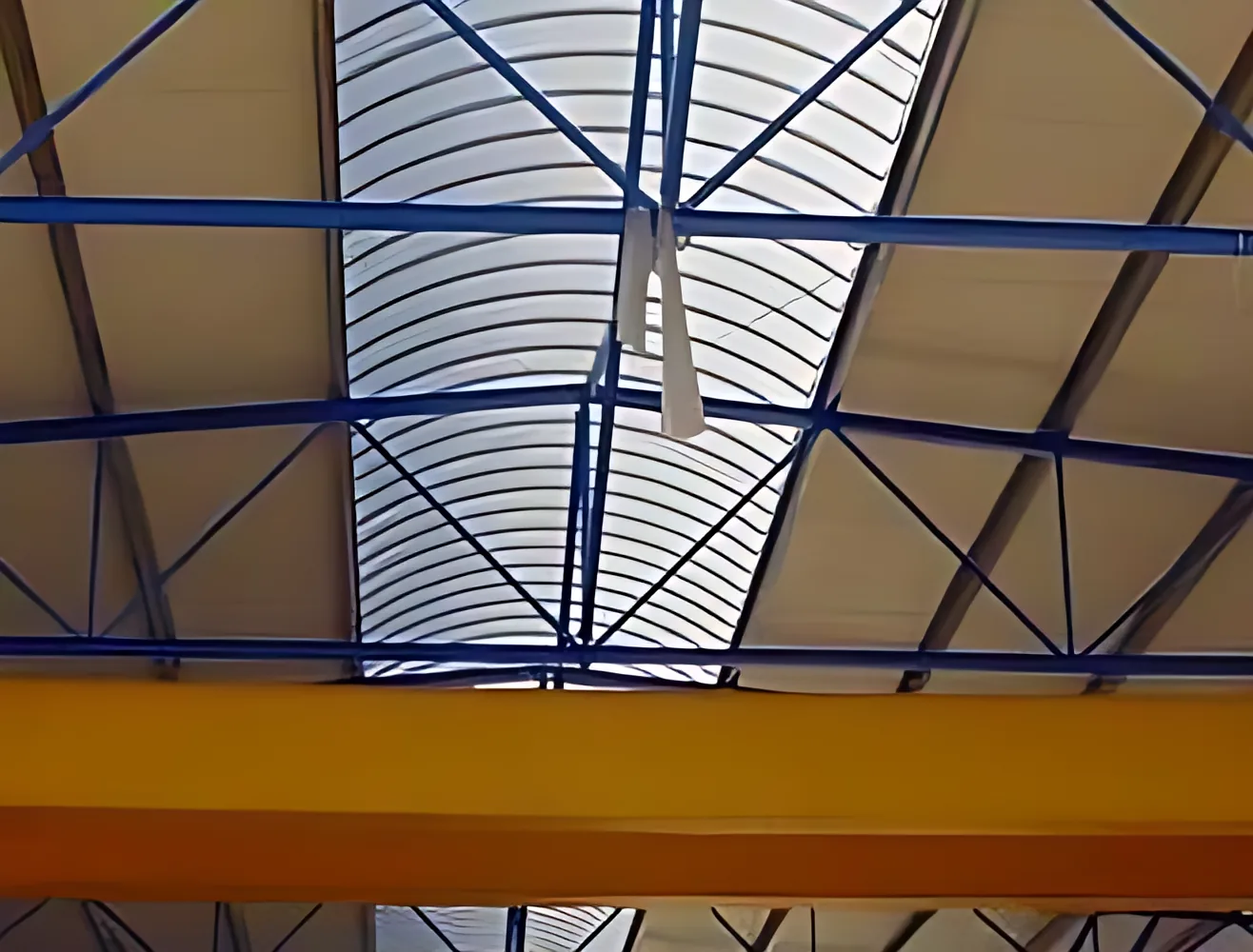
Well-designed skylights follow the sun's path to maximise the light entering a building. The optimal skylight area, usually quantified as effective aperture, varies with climate, latitude and skylight design, but is usually 4–8% of floor area.
Skylight fabricators use the wide range of Gallina PoliCarb® and arcoPlus® products in their systems. Thicknesses from 10 to 40 mm, colours that improve appearance and thermal efficiency, and our IR® co-extrusion make polycarbonate an easy choice.




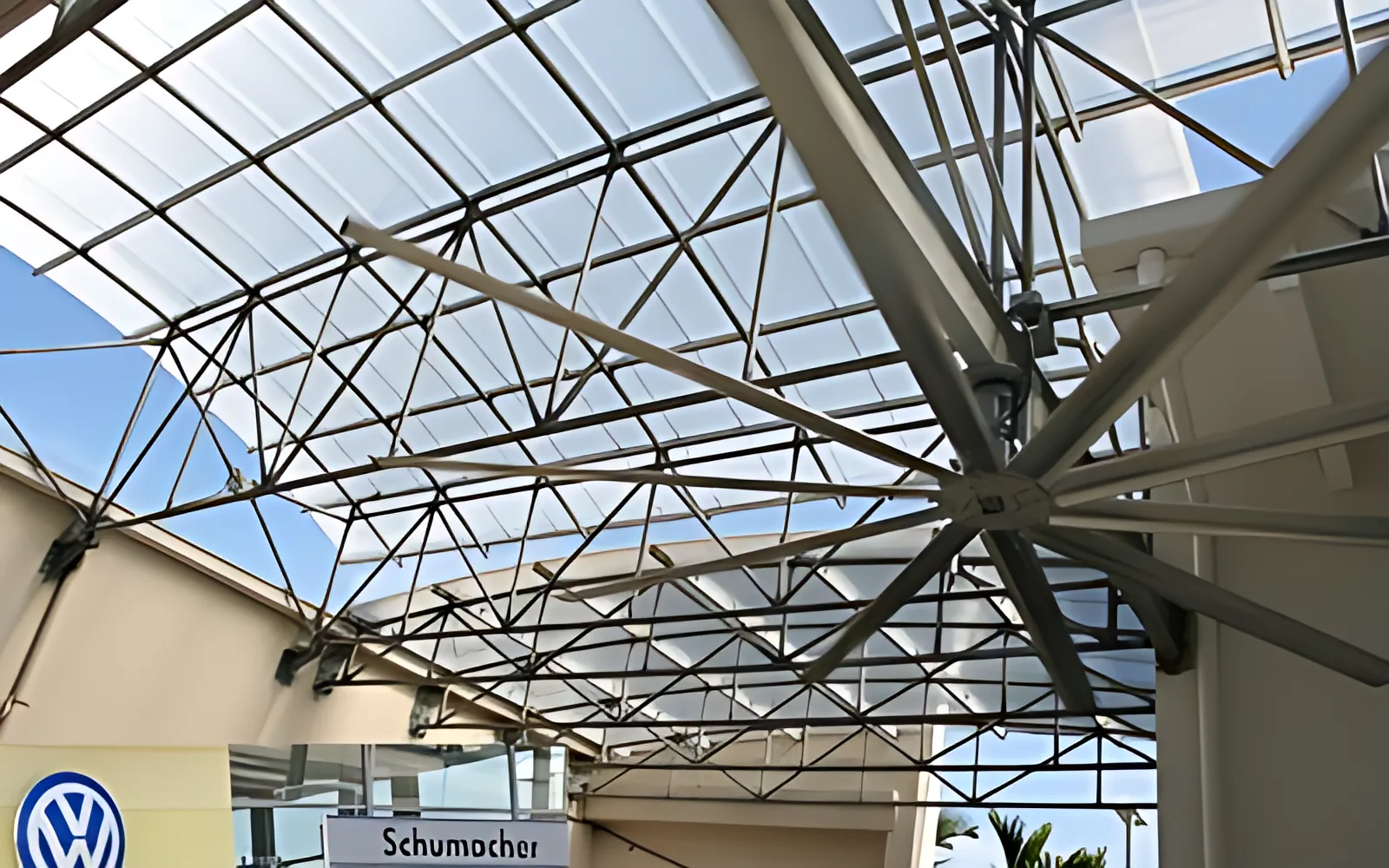

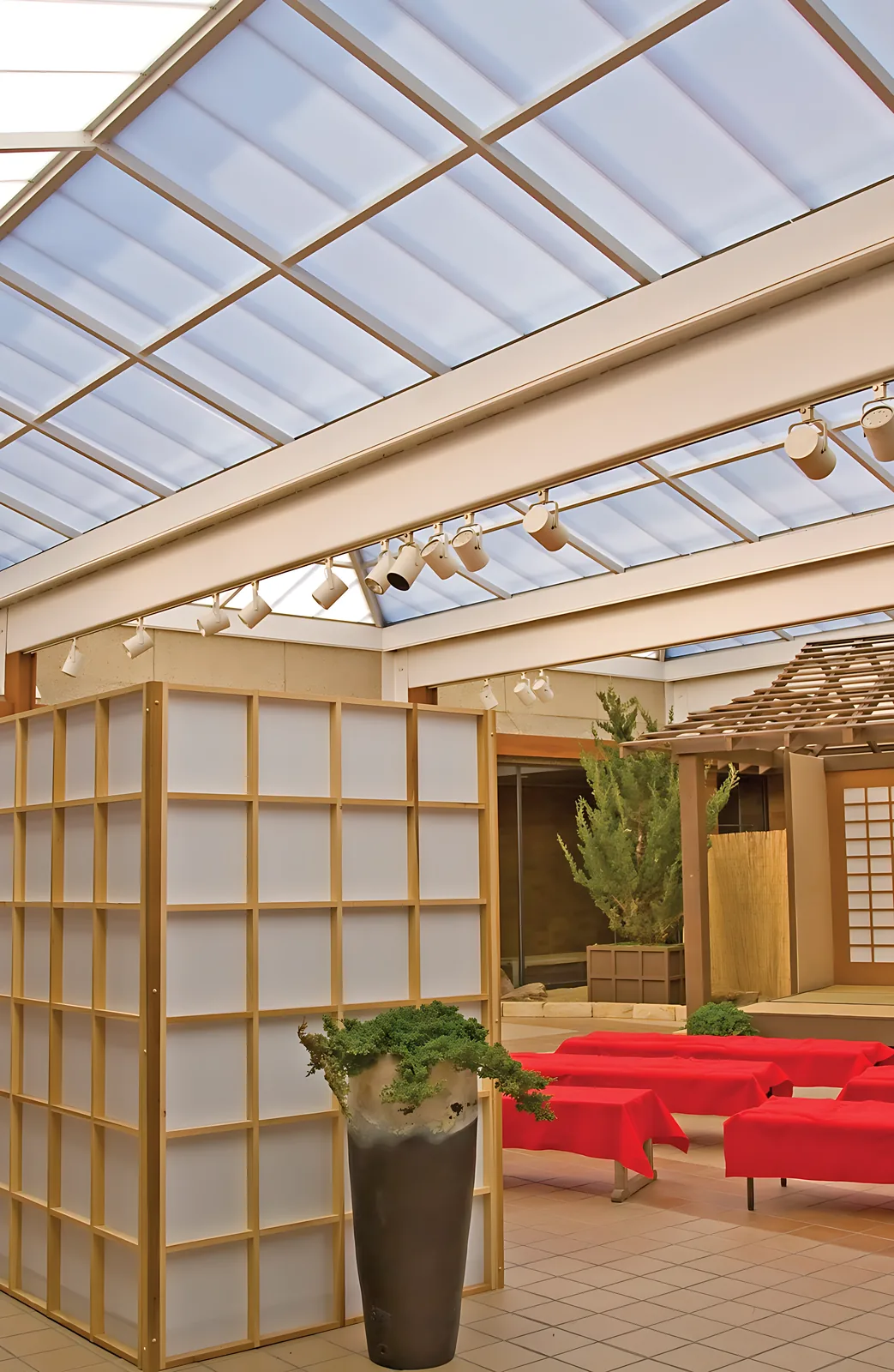
Vertical daylighting
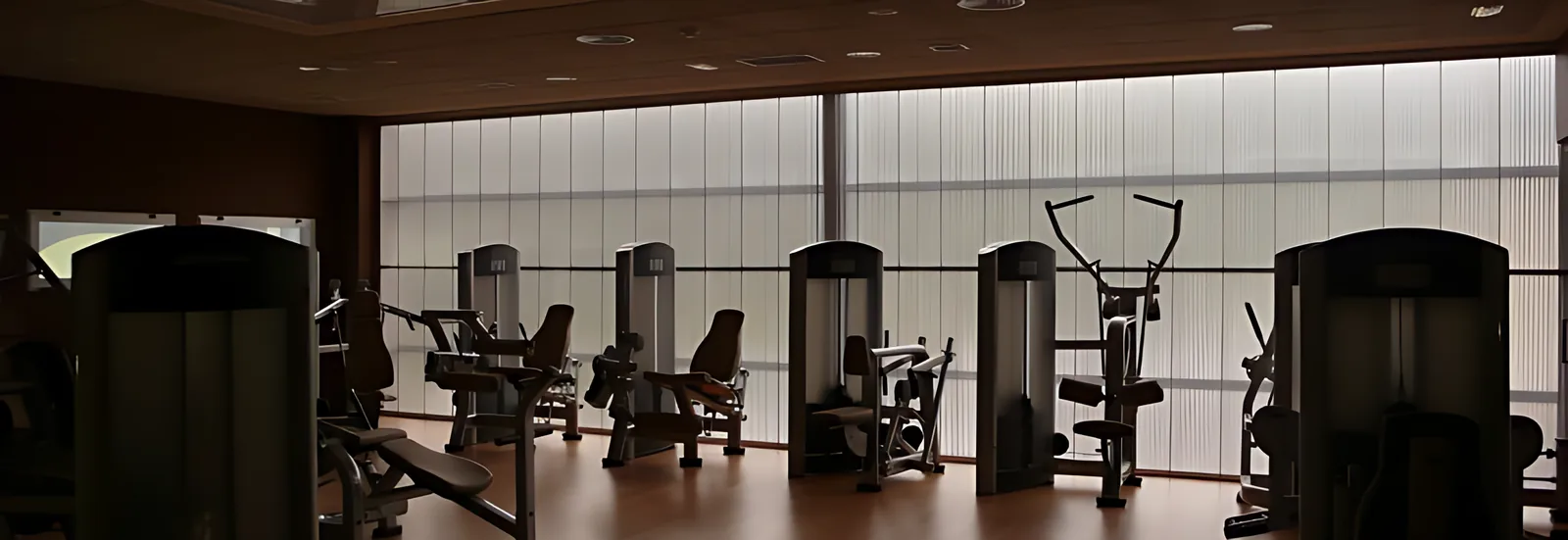
Clerestory windows, high vertically placed windows, are another important daylighting element. Facing the equator they increase direct solar gain; facing the sun they can admit glare. They can also bring diffuse light into rooms that would otherwise be dark, often reflecting it off light-coloured interior walls for softer light with fewer shadows.
With these needs in mind, Gallina has designed panels and systems for vertical window and clerestory applications. Depending on climate, geography and use, the arcoPlus® line includes standing-seam modular panel systems from 8 to 20 mm.
Applications
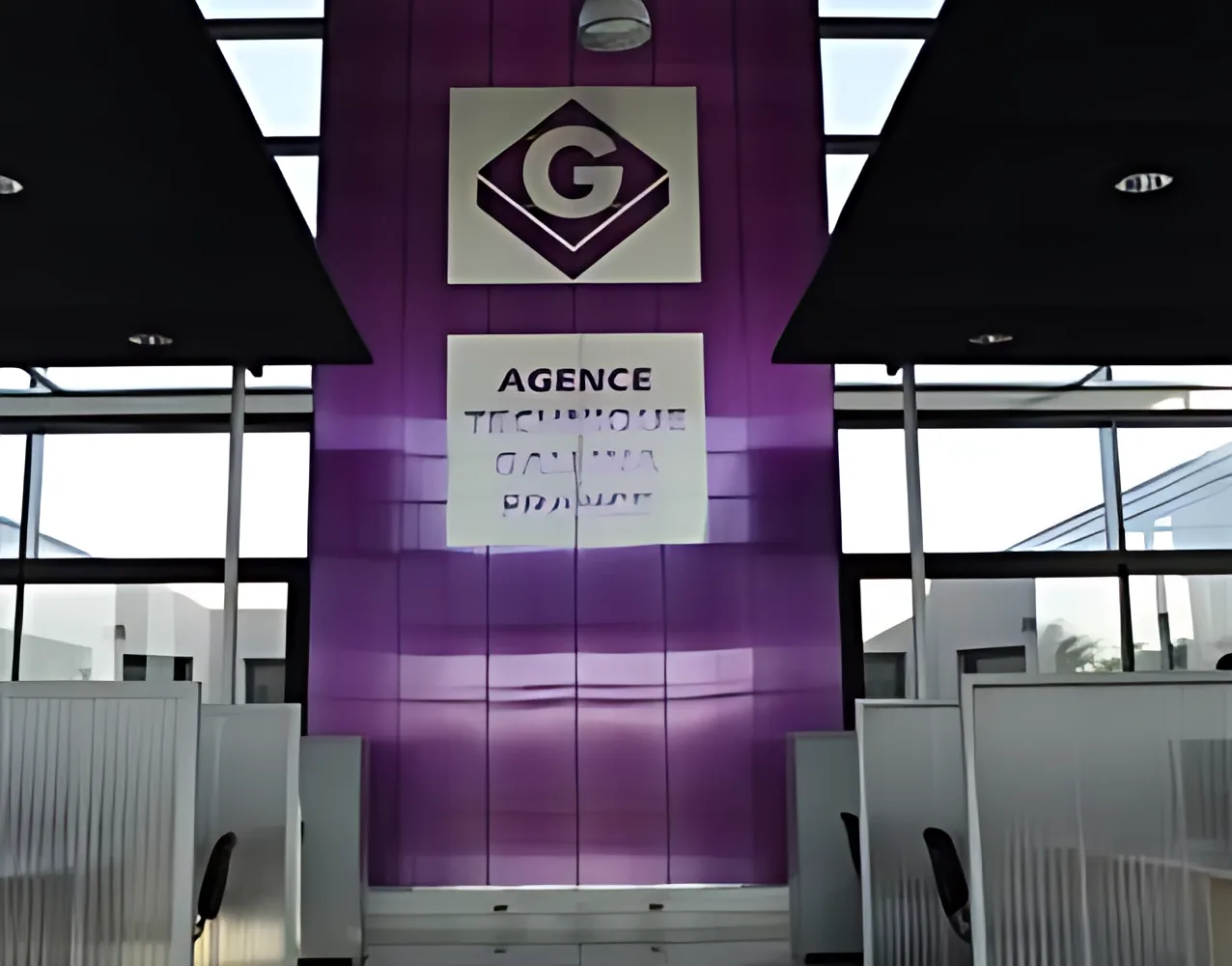
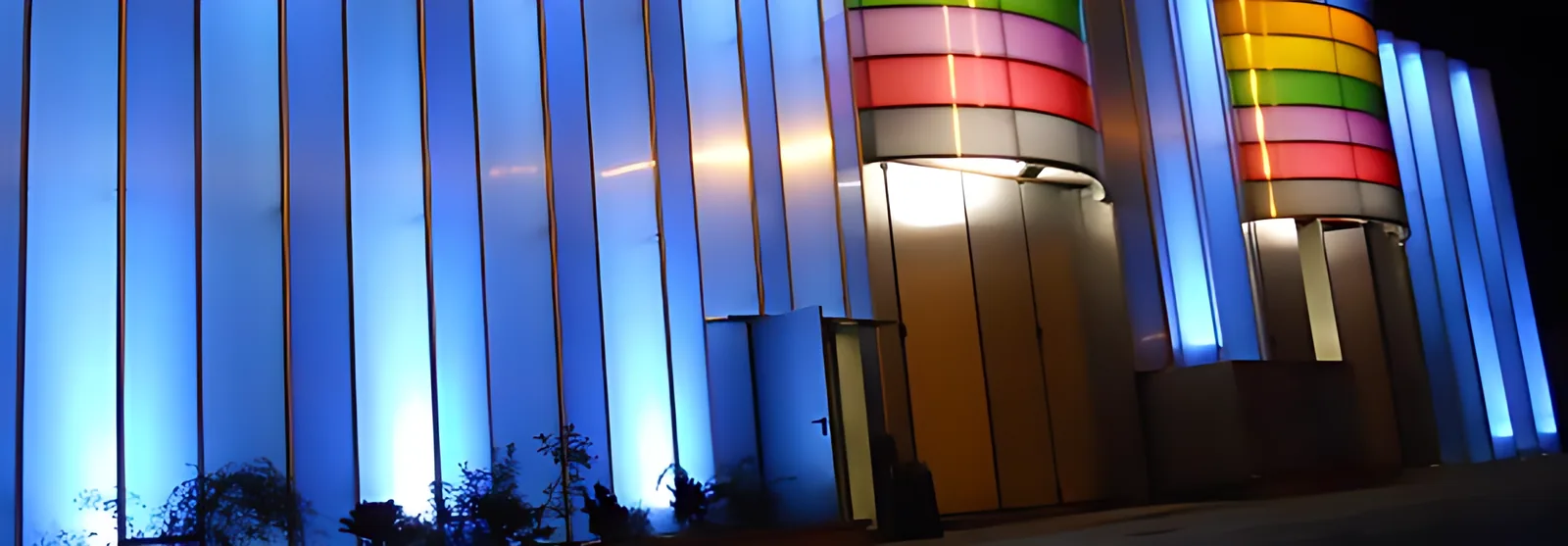
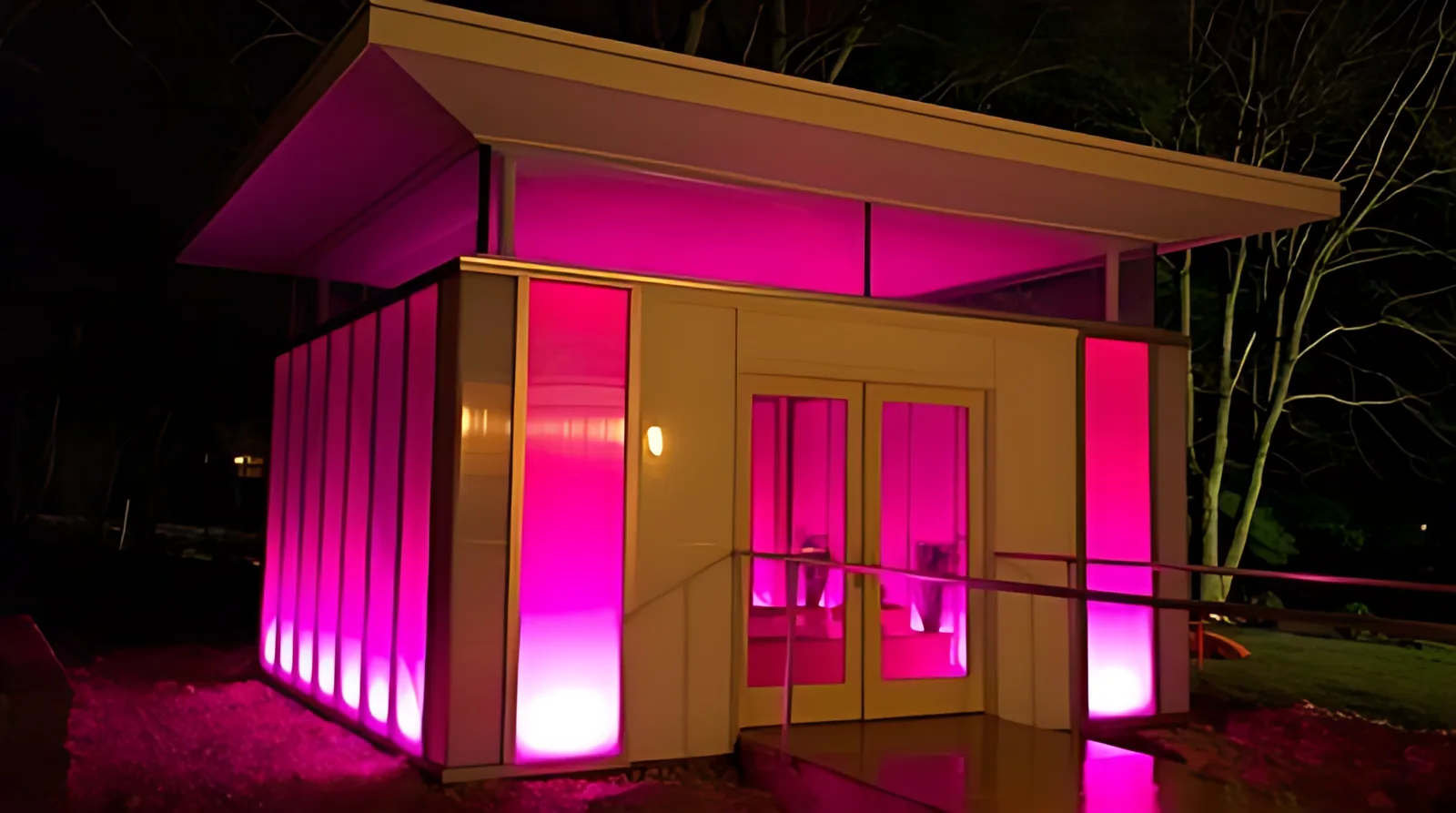
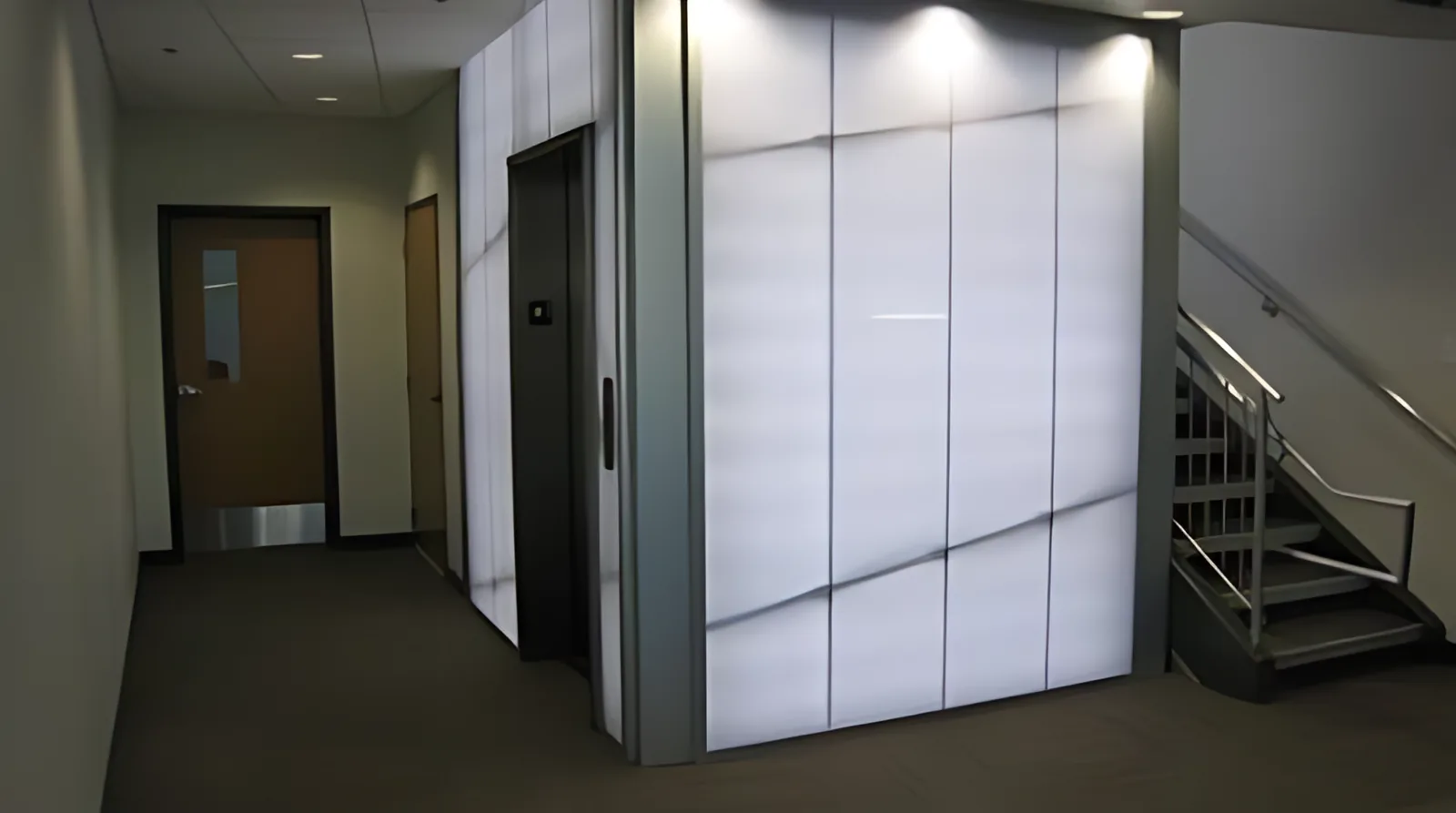
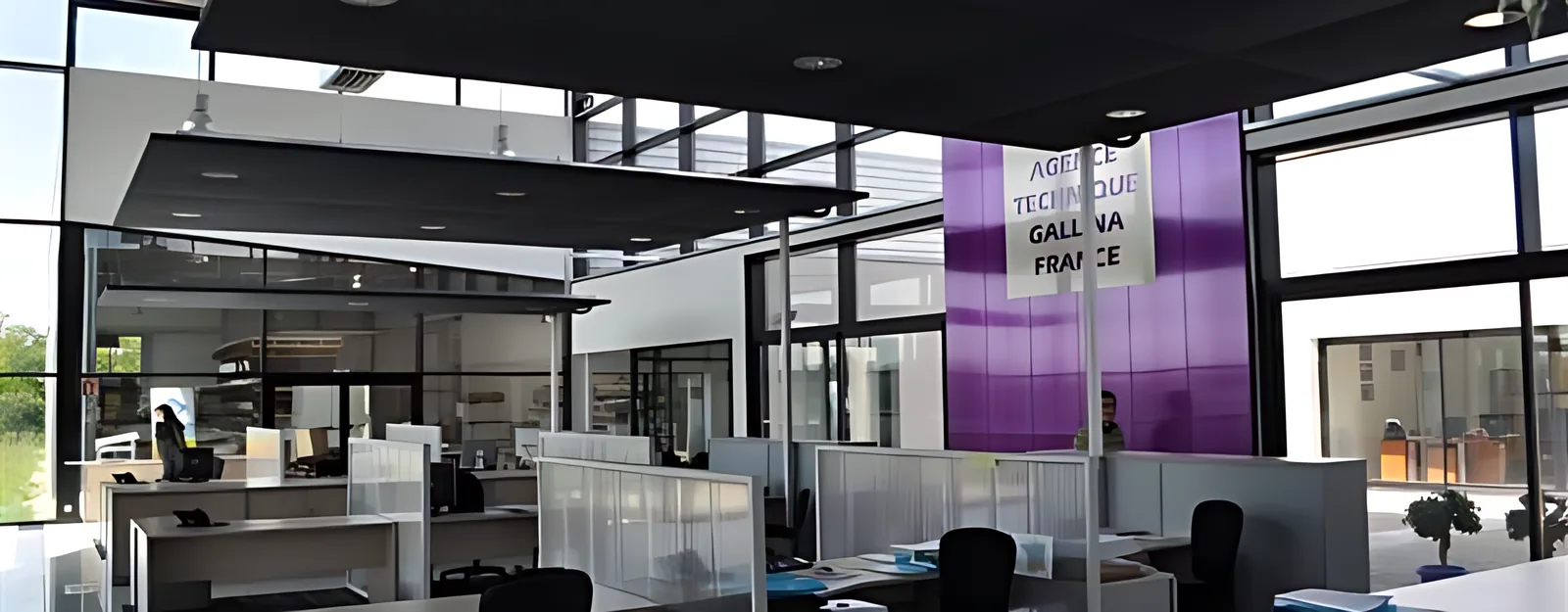
There are many ways to bring polycarbonate into a design, including awnings, backlit features and interior partitions. See our project gallery for more examples.
Awnings





Backlighting

Interiors

Solar control
Controlling temperature and managing heat are essential to comfort, cost control and energy savings. Gallina engineers work with leading companies on solar-control solutions: see IR®, AR® and Caleido®.